
Atlantic Ocean Conservation

The Atlantic Ocean is one of Earth’s most vital ecosystems, supporting millions of species, regulating climate, and sustaining coastal communities around the world. Conservation efforts are essential to protect marine life, preserve habitats, and keep the Atlantic healthy for future generations.

Why Atlantic Ocean Conservation Matters

The Atlantic Ocean helps regulate Earth’s climate, produces oxygen, and supports an extraordinary range of marine life. From migrating whales to reef ecosystems and coastal wetlands, healthy Atlantic habitats are essential for biodiversity and for people.

Human activity has increased pressure on the ocean through pollution, unsustainable fishing, habitat damage, and climate change. Conservation protects the systems that keep ocean life resilient—and helps preserve coastal economies and communities that depend on the sea.

Major Threats to the Atlantic Ocean

Pollution & Plastic Waste

Plastic pollution, chemical runoff, and oil contamination harm marine life and degrade water quality. Microplastics can move through the food chain, affecting ecosystems at every level.
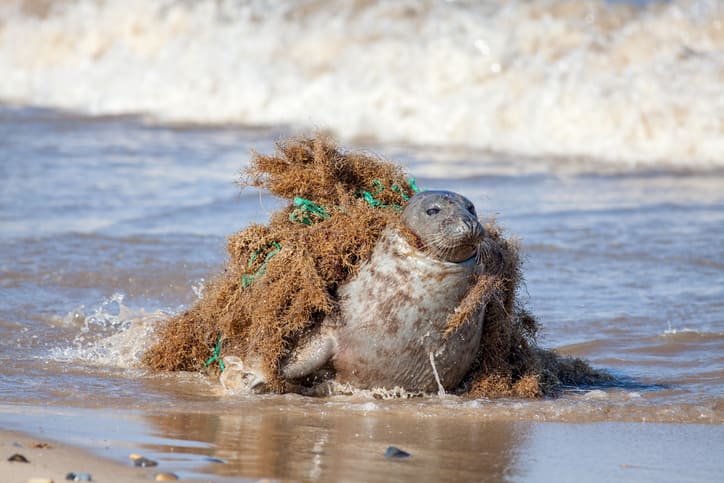
Pollution and other threats impacting Atlantic Ocean ecosystems

Overfishing

When fishing exceeds what populations can naturally replace, it reduces fish stocks and disrupts the balance of ocean food webs. Better management and responsible consumption help protect long-term ocean health.

Pollution and other threats impacting Atlantic Ocean ecosystems

Climate Change

Warming waters, sea-level rise, and ocean acidification can damage habitats and change migration patterns. These shifts affect marine life, fisheries, and coastal communities.

Pollution and other threats impacting Atlantic Ocean ecosystems

Habitat Destruction

Coastal development, dredging, and destructive fishing gear can damage reefs, seagrass beds, and nursery habitats. Protecting and restoring these areas strengthens the ocean’s ability to recover.

Protecting Atlantic Ocean Marine Life

Healthy oceans depend on balanced ecosystems. Conservation initiatives focus on protecting key species such as whales, dolphins, sharks, sea turtles, and important reef and coastal fish.

Marine protected areas, better fisheries management, and wildlife monitoring programs help species recover and maintain the natural balance that supports ocean biodiversity.

Sustainable Tourism & Coastal Communities

Tourism supports many Atlantic coastal regions, but unmanaged tourism can harm fragile habitats. Sustainable travel protects nature while supporting local communities.

Respect Wildlife

Choose responsible wildlife tours, keep distance, and never feed animals.

Reduce Waste

Bring reusables, avoid single-use plastics, and pack out what you pack in.

Support Local & Eco-Friendly

Stay at eco-conscious properties and support local conservation-minded operators.

How You Can Help Protect the Atlantic Ocean

Small everyday actions—multiplied across communities—create real, lasting impact for the ocean.
Volunteers helping protect the Atlantic Ocean through a beach cleanup

Atlantic Ocean Conservation FAQs

Atlantic Ocean conservation focuses on protecting marine ecosystems, wildlife, and coastal habitats through sustainable practices, science-based management, and environmental stewardship. These efforts help maintain biodiversity, support fisheries, and protect the ocean’s role in regulating Earth’s climate.

The Atlantic Ocean helps regulate global temperatures, absorbs carbon dioxide, produces oxygen, and supports millions of marine species. It also plays a vital role in global trade, food supply, and the livelihoods of coastal communities around the world.

The greatest threats to the Atlantic Ocean include plastic pollution, overfishing, climate change, habitat destruction, and ocean acidification. These pressures can damage ecosystems, reduce marine populations, and weaken the ocean’s ability to recover naturally.
Healthy oceans absorb heat and carbon dioxide, helping regulate Earth’s climate. Protecting marine habitats such as seagrass meadows and coastal wetlands strengthens natural carbon storage and improves the ocean’s resilience to rising temperatures and sea levels.

Individuals can help by reducing plastic use, choosing sustainable seafood, supporting conservation organizations, participating in beach cleanups, and practicing responsible travel in coastal areas. Everyday actions collectively make a meaningful impact.

Yes. Marine protected areas help conserve biodiversity, restore fish populations, and protect critical habitats. When properly managed, these areas improve ecosystem health while supporting sustainable fishing and tourism over the long term.

Trusted Ocean Conservation Nonprofits

If you’re looking for credible organizations doing measurable work for ocean health, these nonprofits are widely recognized for protecting marine ecosystems through policy, science, and on-the-ground action.

The Future of the Atlantic Ocean

The future of the Atlantic Ocean depends on informed decisions, responsible policies, and collective action. Conservation science, sustainable innovation, and global cooperation offer real opportunities to protect habitats, reduce pollution, and restore marine ecosystems.

By learning about ocean threats—and supporting proven solutions—we can help ensure the Atlantic Ocean continues to inspire, sustain, and connect our world for generations to come.
Scroll to Top