CONSERVATION & SUSTAINABILITY
Atlantic Ocean Conservation
Explore science-informed guides covering Atlantic Ocean conservation, marine wildlife protection, coastal ecosystems, pollution, climate impacts, and sustainable ocean practices. Learn how healthy oceans support marine life, coastal communities, and the future of the Atlantic.
70%
Of Earth’s oxygen is produced by ocean ecosystems
3B+
People globally rely on marine and coastal biodiversity
8M+
Metric tons of plastic enter oceans every year
FEATURED FOCUS
Healthy oceans create stronger coastlines
Explore how marine habitats, ocean wildlife, wetlands, dunes, and coastal ecosystems work together to support biodiversity, reduce erosion, strengthen shorelines, and protect communities throughout the Atlantic Ocean.
ATLANTIC OCEAN CONSERVATION
Understanding the challenges facing the Atlantic Ocean
The Atlantic Ocean supports marine wildlife, coastal communities, global weather systems, fisheries, tourism, and biodiversity across multiple continents. These ecosystems face increasing pressure from pollution, habitat loss, climate change, overfishing, and coastal development. This conservation hub explores both the environmental challenges affecting the Atlantic and the solutions helping protect its future.
THREATS
Environmental pressures are reshaping ocean ecosystems
Pollution, warming ocean temperatures, habitat destruction, overfishing, and coastal development continue to affect Atlantic marine ecosystems, wildlife populations, and shoreline resilience.
SOLUTIONS
Conservation efforts help protect marine habitats
Marine protected areas, coastal restoration projects, sustainable fisheries, scientific research, and cleaner environmental practices all play important roles in supporting Atlantic Ocean conservation and ecosystem recovery.
EVERYDAY IMPACT
Healthy oceans support communities far beyond the coastline
The Atlantic Ocean influences weather systems, food supplies, tourism, transportation, recreation, biodiversity, and coastal economies, making ocean health deeply connected to everyday life around the world.
CORE CONSERVATION TOPICS
Explore the major areas of Atlantic Ocean conservation
Atlantic Ocean conservation involves protecting marine wildlife, restoring coastal habitats, reducing pollution, supporting sustainable practices, and understanding how environmental changes affect ocean ecosystems. These core conservation topics help organize the educational resources throughout this section of AtlanticOcean.com.
THREATS
Marine Life Protection
Explore conservation efforts supporting whales, sea turtles, fish populations, seabirds, shellfish, and Atlantic marine biodiversity.
SUSTAINABILITY
Pollution & Sustainability
Learn how pollution, plastics, runoff, and sustainable environmental practices affect Atlantic Ocean ecosystems and coastlines.
HABITATS
Coastal Habitats
Discover how dunes, marshes, estuaries, wetlands, and coastal ecosystems help protect wildlife and shorelines.
CLIMATE
Climate & Ocean Change
Understand how warming oceans, sea level rise, storms, and environmental shifts are reshaping Atlantic ecosystems.
FEATURED ORGANIZATIONS
Organizations helping protect the Atlantic Ocean
Marine conservation organizations, scientific research groups, and environmental nonprofits play important roles in protecting Atlantic ecosystems, restoring habitats, supporting marine biodiversity, and improving long-term ocean sustainability.
Marine Protection
Ocean Conservancy
Supports marine conservation through ocean cleanup initiatives, science-based environmental policy, coastal resilience programs, and marine ecosystem protection efforts throughout the world.
Coastal Conservation
Surfrider Foundation
Focuses on protecting beaches, coastlines, ocean access, clean water initiatives, and sustainable coastal ecosystems through environmental advocacy and local conservation programs.
Atlantic Research
Atlantic Marine Conservation Society
Supports Atlantic marine conservation through whale and sea turtle research, marine wildlife rescue efforts, ecosystem monitoring, public education, and long-term protection of North Atlantic marine habitats.
LATEST CONSERVATION ARTICLES
Guides, explainers, and Atlantic Ocean conservation resources
Explore educational Atlantic Ocean conservation articles covering marine wildlife protection, pollution, coastal ecosystems, climate impacts, sustainability, habitat restoration, and environmental science throughout the Atlantic region.
Conservation
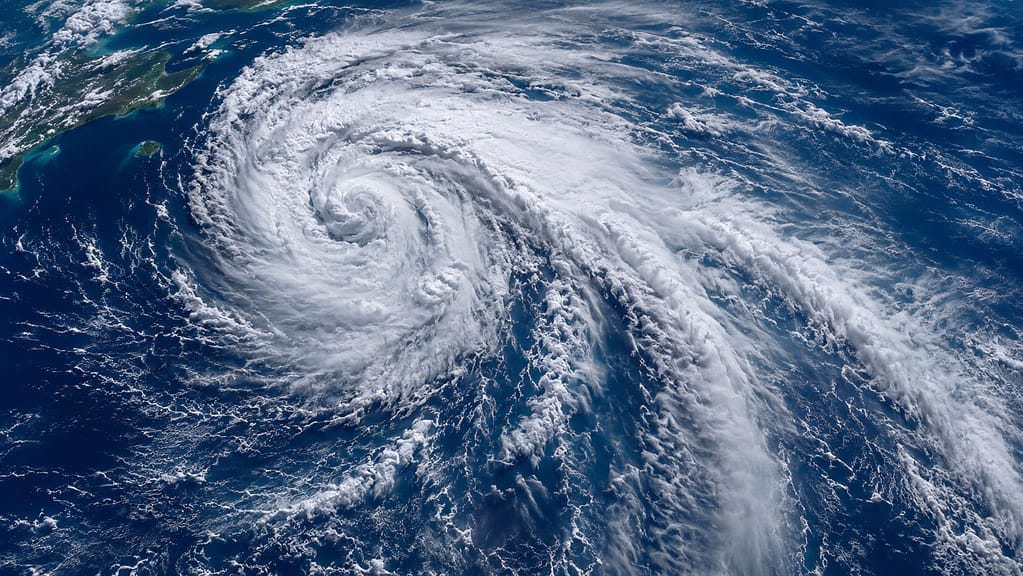
Why the Atlantic Ocean Has Some of the World’s Strongest Storms
The Atlantic Ocean is home to hurricanes, nor’easters, and explosive cyclones capable of reshaping coastlines and disrupting entire regions. Learn how warm water, ocean currents, atmospheric circulation, and seasonal climate patterns combine to create some of the strongest storms on Earth.
Conservation
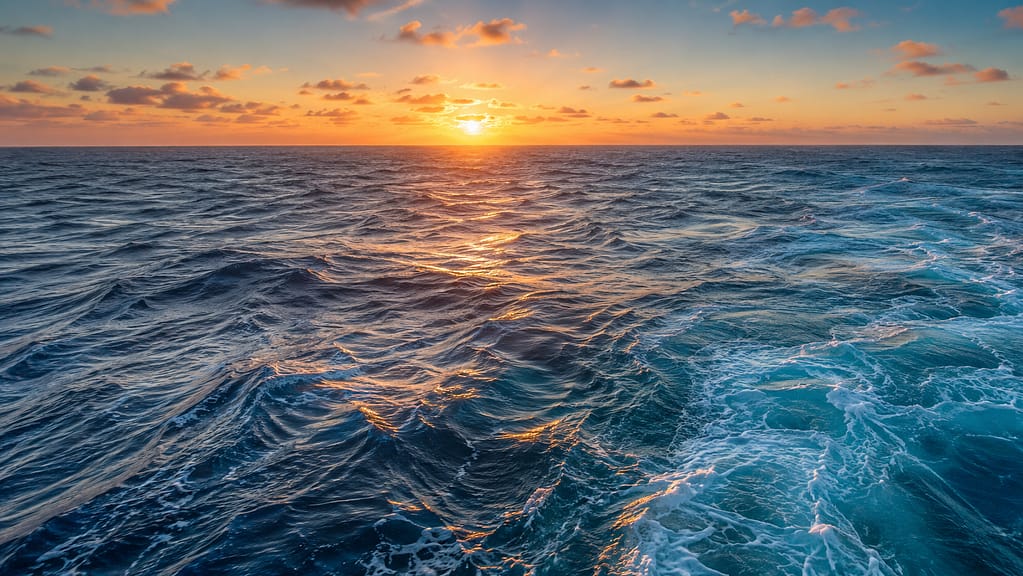
Atlantic Ocean Currents: How They Work and Why They’re Changing
Atlantic Ocean currents quietly shape climate, coastlines, marine ecosystems, and weather across the planet. Here’s how they work — and why scientists are watching them closely.
ATLANTIC OCEAN CONSERVATION FAQ
Common questions about Atlantic Ocean conservation
Learn more about the environmental challenges affecting the Atlantic Ocean, marine conservation efforts, coastal ecosystems, and the importance of protecting ocean habitats and biodiversity.
Why is Atlantic Ocean conservation important?
Atlantic Ocean conservation helps protect marine ecosystems, wildlife habitats, fisheries, coastal communities, biodiversity, and environmental systems that support millions of people and species throughout the Atlantic region.
What are the biggest threats facing the Atlantic Ocean?
Major environmental threats include plastic pollution, overfishing, habitat destruction, coastal development, climate change, warming ocean temperatures, sea level rise, and declining marine biodiversity.
How does pollution affect marine life?
Pollution can damage marine habitats, harm wildlife, disrupt food chains, reduce water quality, and introduce plastics and chemicals into ocean ecosystems that affect fish, seabirds, whales, turtles, and other marine species.
What are coastal habitats?
Coastal habitats include dunes, wetlands, marshes, estuaries, reefs, beaches, and seagrass ecosystems that support wildlife, improve water quality, reduce erosion, and strengthen shoreline resilience.
How can people help protect the Atlantic Ocean?
People can support conservation by reducing plastic waste, practicing sustainable travel, protecting wildlife habitats, supporting environmental organizations, participating in coastal cleanups, and learning more about ocean ecosystems.
Why are healthy oceans important for climate and weather?
Oceans help regulate global temperatures, absorb carbon dioxide, influence weather systems, support biodiversity, and play a major role in maintaining environmental balance across the planet.
PROTECTING THE ATLANTIC
Healthy oceans support wildlife, coastlines, communities, and future generations.
Atlantic Ocean conservation is about understanding the connection between marine ecosystems, wildlife, climate, coastlines, and the communities that depend on healthy oceans every day. Explore educational guides, conservation topics, and Atlantic-focused environmental resources throughout AtlanticOcean.com.
EXPLORE MORE
Continue Exploring the Atlantic Ocean
Discover more Atlantic Ocean destinations, conservation stories, marine wildlife guides, and coastal experiences across the site.
COASTAL TRAVEL
Atlantic Ocean Destinations
Explore coastal towns, beaches, islands, whale watching regions, and Atlantic travel guides across the coastline.
Explore Destinations →
Ocean Wildlife
Discover Marine Life
Explore the species, ecosystems, and ocean habitats that make the Atlantic one of the most diverse marine environments on Earth.
Explore Marine Life →
ATLANTIC LIFESTYLE
Atlantic Ocean Gear
Shop Atlantic Ocean-inspired apparel, hats, accessories, and coastal gear designed for ocean lovers and marine wildlife enthusiasts.