
Marine Life / Sharks
Great White Shark
The Apex Predator of the Atlantic Ocean
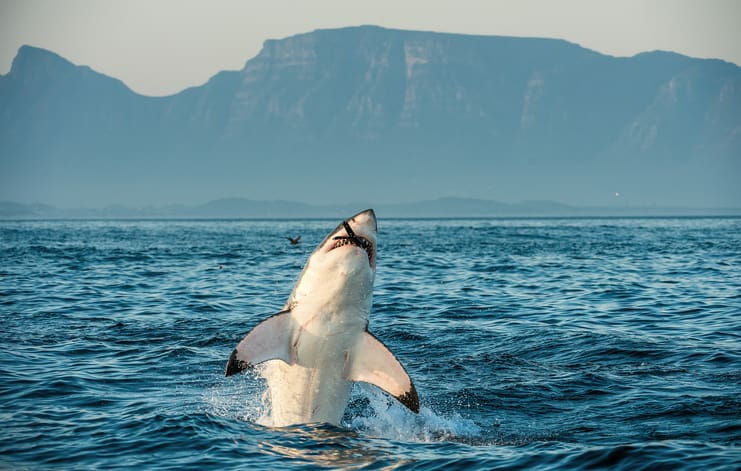
Powerful, intelligent, and often misunderstood, the Great White Shark is one of the Atlantic Ocean’s most iconic marine predators — a species that helps keep ocean ecosystems balanced.
Species Snapshot
Great White Shark Quick Facts
Great White Sharks are large, highly mobile predators found in temperate and subtropical waters, including major parts of the Atlantic Ocean. Their seasonal movement, hunting behavior, and ecological role make them one of the most studied shark species in the world.
Along the Atlantic Coast, they are especially associated with productive feeding areas near seal colonies, offshore islands, and cooler northern waters during warmer months.
Along the Atlantic Coast, they are especially associated with productive feeding areas near seal colonies, offshore islands, and cooler northern waters during warmer months.
Species Snapshot
Carcharodon carcharias
Average Length
11–16 feet
Maximum Size
Over 20 feet
Weight
Up to 5,000 pounds
Diet
Seals, fish, rays, marine mammals
Habitat
Coastal and offshore temperate oceans
Atlantic Range
Canada to Florida and beyond
Status
Vulnerable

Habitat & Range
Where Do Great White Sharks Live?
Great White Sharks are found in temperate and subtropical waters around the world, including major regions of the Atlantic Ocean. Along North America’s Atlantic Coast, they are commonly seen from Atlantic Canada through New England and occasionally farther south.
Seasonal activity near Cape Cod, Massachusetts has become especially well known as seal populations have increased and shark tracking research has improved. These sharks often patrol areas near coastal drop-offs, offshore islands, productive feeding grounds, and seal colonies.
Seasonal activity near Cape Cod, Massachusetts has become especially well known as seal populations have increased and shark tracking research has improved. These sharks often patrol areas near coastal drop-offs, offshore islands, productive feeding grounds, and seal colonies.
A vital predator in a changing ocean
Great White Sharks help regulate prey populations and support healthier marine ecosystems across the Atlantic Ocean.
Behavior & Ecology
How Great White Sharks Live in the Atlantic
From seasonal migrations along the Atlantic Coast to powerful feeding behavior near seal colonies, Great White Sharks are highly adapted ocean predators. Their movements, hunting patterns, and ecological importance continue to shape marine research throughout the Atlantic Ocean.
Why Are They Important?
As apex predators, Great White Sharks help regulate marine ecosystems by influencing prey populations and supporting balance throughout the food chain.
What Do They Eat?
Younger sharks feed on fish, squid, and smaller animals. Adults commonly prey on seals, rays, tuna, and other large marine species.
Are They Dangerous?
Great White Sharks are powerful predators, but attacks on humans remain rare. Most encounters are believed to be investigative rather than predatory.
Migration
Great White Shark Migration Patterns
Great White Sharks are capable of traveling thousands of miles across the Atlantic Ocean between feeding and seasonal habitat areas. Many sharks spend warmer months in northern waters near New England and Atlantic Canada before moving south or farther offshore during colder seasons.
Satellite tagging research has dramatically expanded scientific understanding of these migrations, revealing how individual sharks navigate vast sections of the Atlantic while following prey populations, ocean temperatures, and changing marine conditions.
Satellite tagging research has dramatically expanded scientific understanding of these migrations, revealing how individual sharks navigate vast sections of the Atlantic while following prey populations, ocean temperatures, and changing marine conditions.
Conservation
Great White Shark Conservation Status
Great White Sharks are currently classified as vulnerable due to fishing pressure, accidental bycatch, habitat degradation, and slow reproduction rates. Because these sharks mature later in life and produce relatively few offspring, population recovery can take decades.
Marine researchers and conservation organizations throughout the Atlantic Ocean continue working to better understand shark populations, migration routes, and long-term ecosystem health while promoting responsible ocean conservation practices.
Marine researchers and conservation organizations throughout the Atlantic Ocean continue working to better understand shark populations, migration routes, and long-term ecosystem health while promoting responsible ocean conservation practices.
How large can Great White Sharks grow in the Atlantic Ocean?
Adult Great White Sharks commonly reach lengths of 11 to 16 feet, while some large females can exceed 20 feet and weigh more than 5,000 pounds. Females are typically larger than males and are considered among the largest predatory fish in the Atlantic Ocean.
Where are Great White Sharks most commonly seen along the Atlantic Coast?
Great White Sharks are most frequently associated with the northeastern Atlantic Coast, especially near Cape Cod, Massachusetts, where large gray seal populations provide reliable feeding opportunities. Seasonal sightings also occur farther north near Atlantic Canada and occasionally farther south along the eastern United States.
Why are Great White Shark sightings increasing near Cape Cod?
Growing seal populations, improved conservation protections, and expanded shark tracking research have all contributed to increased Great White Shark activity near Cape Cod. Scientists believe the region has become one of the Atlantic Ocean’s most active seasonal feeding grounds for the species.
What do Great White Sharks eat in the Atlantic Ocean?
Great White Sharks feed on a wide range of marine animals depending on their age and size. Younger sharks commonly hunt fish and smaller prey, while larger adults target seals, rays, tuna, and other marine mammals throughout Atlantic feeding areas.
Are Great White Sharks dangerous to humans?
Although Great White Sharks are powerful predators, attacks on humans remain extremely rare. Most interactions are believed to involve investigative behavior rather than intentional predation, and millions of people safely enter Atlantic waters every year without incident.
How far do Great White Sharks migrate?
Satellite tracking studies have shown that Great White Sharks can travel thousands of miles across the Atlantic Ocean between feeding grounds and seasonal habitats. Some sharks migrate between northern Atlantic waters and warmer offshore regions during colder months.
Are Great White Sharks protected?
Many countries now protect Great White Sharks through fishing restrictions and conservation laws due to historical population declines, accidental bycatch, and slow reproductive rates. Ongoing research and marine conservation efforts continue to support long-term Atlantic population recovery.
EXPLORE MORE
Continue Exploring the Atlantic Ocean
Discover more Atlantic Ocean destinations, conservation stories, marine wildlife guides, and coastal experiences across the site.
COASTAL TRAVEL
Atlantic Ocean Destinations
Explore coastal towns, beaches, islands, whale watching regions, and Atlantic travel guides across the coastline.
Explore Destinations →
MARINE CONSERVATION
Ocean Conservation
Learn about Atlantic marine ecosystems, wildlife protection efforts, sustainable tourism, and ocean conservation initiatives.
Explore Conservation →
ATLANTIC LIFESTYLE
Atlantic Ocean Gear
Shop Atlantic Ocean-inspired apparel, hats, accessories, and coastal gear designed for ocean lovers and marine wildlife enthusiasts.