
ATLANTIC OCEAN SHARKS
Discover Atlantic Ocean Dolphins
Explore Atlantic dolphin species through immersive wildlife guides covering marine ecosystems, social behavior, migration, conservation, and coastal habitats throughout the Atlantic Ocean.
ATLANTIC SPECIES
What Dolphins Live in the Atlantic Ocean?
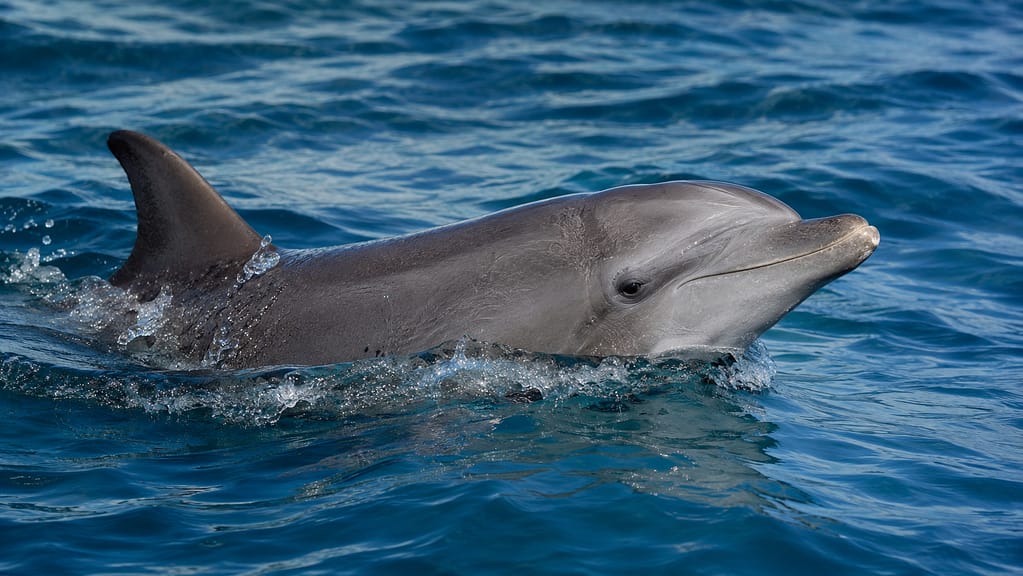
The Atlantic Ocean supports a wide range of dolphin species across coastal habitats, open-ocean ecosystems, warm-water currents, and offshore migration routes. From bottlenose dolphins and common dolphins to Atlantic spotted dolphins and Risso’s dolphins, these marine mammals play an important role in Atlantic Ocean biodiversity and marine ecosystem balance.

Coastal Dolphins
Many Atlantic dolphin species inhabit shallow coastal waters, estuaries, bays, and nearshore marine ecosystems throughout the Atlantic coastline.

Open Ocean Species
Several dolphin species travel through deep Atlantic Ocean environments and offshore marine ecosystems far from the coastline.

Social Marine Mammals
Dolphins are highly intelligent marine mammals known for complex communication, social behavior, and cooperative hunting patterns.
SPECIES GUIDES
Explore Atlantic Dolphin Species
Browse detailed dolphin species guides covering migration routes, marine ecosystems, social behavior, habitats, conservation, and Atlantic Ocean wildlife.
ATLANTIC ECOSYSTEMS
Where Dolphins Live in the Atlantic Ocean
Atlantic dolphins inhabit a wide range of marine ecosystems from shallow coastal waters and warm ocean currents to offshore migration routes and deep Atlantic environments.
COASTAL ECOSYSTEMS
Nearshore Atlantic Waters
Many dolphin species thrive in productive coastal Atlantic ecosystems rich in fish populations and marine biodiversity.
OPEN OCEAN
Atlantic Migration Routes
Several dolphin species migrate seasonally through offshore Atlantic Ocean environments following prey and ocean temperatures.
WARM WATER ECOSYSTEMS
Tropical Atlantic Waters
Warm Atlantic ecosystems support spotted dolphins and other species adapted to tropical marine environments.
DEEP SEA
Offshore Marine Environments
Deep Atlantic marine ecosystems support dolphin species adapted to offshore habitats and open-water hunting behavior.

DOLPHIN CONSERVATION
Protecting Atlantic Ocean Dolphin Species
Many Atlantic dolphin species face increasing threats from fishing gear entanglement, pollution, habitat degradation, vessel traffic, and climate change. Conservation efforts throughout the Atlantic Ocean focus on protecting marine ecosystems, improving ocean health, reducing bycatch, and supporting long-term biodiversity.
Understanding Atlantic Dolphin Species
COMMUNICATION
Social Marine Mammals
Dolphins communicate through clicks, whistles, body language, and coordinated social behavior within pods.
MIGRATION
Atlantic Migration Routes
Some Atlantic dolphin species travel seasonally between feeding grounds and warm-water habitats.
MARINE ECOSYSTEMS
Ocean Food Chains
Dolphins play an important role in Atlantic marine food chains and ecosystem balance.
CONSERVATION
Protected Species
Several Atlantic dolphin populations remain protected through marine conservation laws and ecosystem management efforts.
DOLPHIN FAQ
Frequently Asked Questions About Atlantic Ocean Dolphins
Explore common questions about Atlantic dolphin species, marine ecosystems, migration patterns, behavior, and conservation.
What dolphins live in the Atlantic Ocean?
The Atlantic Ocean is home to many dolphin species including bottlenose dolphins, common dolphins, Atlantic spotted dolphins, spinner dolphins, and Risso’s dolphins.
Where can you see dolphins in the Atlantic Ocean?
Dolphins can be found throughout Atlantic coastal waters, offshore marine ecosystems, tropical regions, and open-ocean habitats.
Do dolphins migrate across the Atlantic Ocean?
Yes. Some Atlantic dolphin species migrate seasonally following prey availability, ocean temperatures, and marine ecosystem changes.
Are dolphins mammals?
Yes. Dolphins are marine mammals that breathe air, nurse their young, and surface regularly throughout the Atlantic Ocean.
Are Atlantic dolphins protected?
Many Atlantic dolphin species are protected through marine conservation regulations designed to reduce habitat degradation and bycatch.
LEARN MORE
Recommended Books & Resources
Expand your knowledge with trusted field guides, marine life books, and educational resources that help bring the Atlantic Ocean’s wildlife and ecosystems to life.

The Dolphin in the Mirror: Exploring Dolphin Minds and Saving Dolphin Lives
Explore the remarkable intelligence, communication, and social behavior of dolphins through groundbreaking scientific research and real-world conservation efforts. This engaging book reveals how studying dolphin minds is helping scientists better understand and protect these extraordinary marine mammals.
View on Amazon ->

Dolphin Mysteries: Unlocking the Secrets of Communication
Discover how dolphins communicate, cooperate, and interact through sound, body language, and complex social behaviors. Drawing on decades of research, this fascinating book explores the ongoing effort to understand one of the ocean’s most intelligent and socially connected animals.
View on Amazon ->

The Nature Kid's Guide to Dolphins
Introduce young readers to dolphin species, habitats, behaviors, and ocean ecosystems through engaging storytelling, colorful photography, and age-appropriate educational content.
View on Amazon ->
EXPLORE MORE
Continue Exploring the Atlantic Ocean
Discover more Atlantic Ocean destinations, conservation stories, marine wildlife guides, and coastal experiences across the site.
COASTAL TRAVEL
Atlantic Ocean Destinations
Explore coastal towns, beaches, islands, whale watching regions, and Atlantic travel guides across the coastline.
Explore Destinations →
MARINE CONSERVATION
Ocean Conservation
Learn about Atlantic marine ecosystems, wildlife protection efforts, sustainable tourism, and ocean conservation initiatives.
Explore Conservation →
ATLANTIC LIFESTYLE
Atlantic Ocean Gear
Shop Atlantic Ocean-inspired apparel, hats, accessories, and coastal gear designed for ocean lovers and marine wildlife enthusiasts.